Welcome to Tatva Dental, led by Dr. Rajat Dubey (MDS), your trusted dental specialist in Ratlam, Madhya Pradesh.

Shopping cart

Subtotal $0.00

View cartCheckout

Aligners and Orthodontic Correction

  • Home
  • Aligners and Orthodontic Correction
Aligners and Orthodontic Correction

What are Aligners and Orthodontic Correction ?

Aligners are transparent, removable trays that gradually straighten teeth without wires or brackets. Orthodontic correction refers to treatments like braces and aligners used to fix crooked teeth, bite issues, and spacing problems.

Unlike removable dentures, dental implants are fixed and integrate with the bone, offering long-term stability. They help prevent bone loss, improve speech, enhance chewing, and provide a confident, natural-looking smile.

Why Choose Aligners for Orthodontic Correction ?

Aligners offer a modern, comfortable, and discreet alternative to traditional metal braces. They are effective in correcting mild to moderate dental misalignments

Custom-made and removable, aligners make oral hygiene easy and treatment less painful, making them a popular choice among teens and adults.

  • Virtually Invisible Appearance
  • Removable for Eating & Brushing
  • Comfortable with No Metal Wires

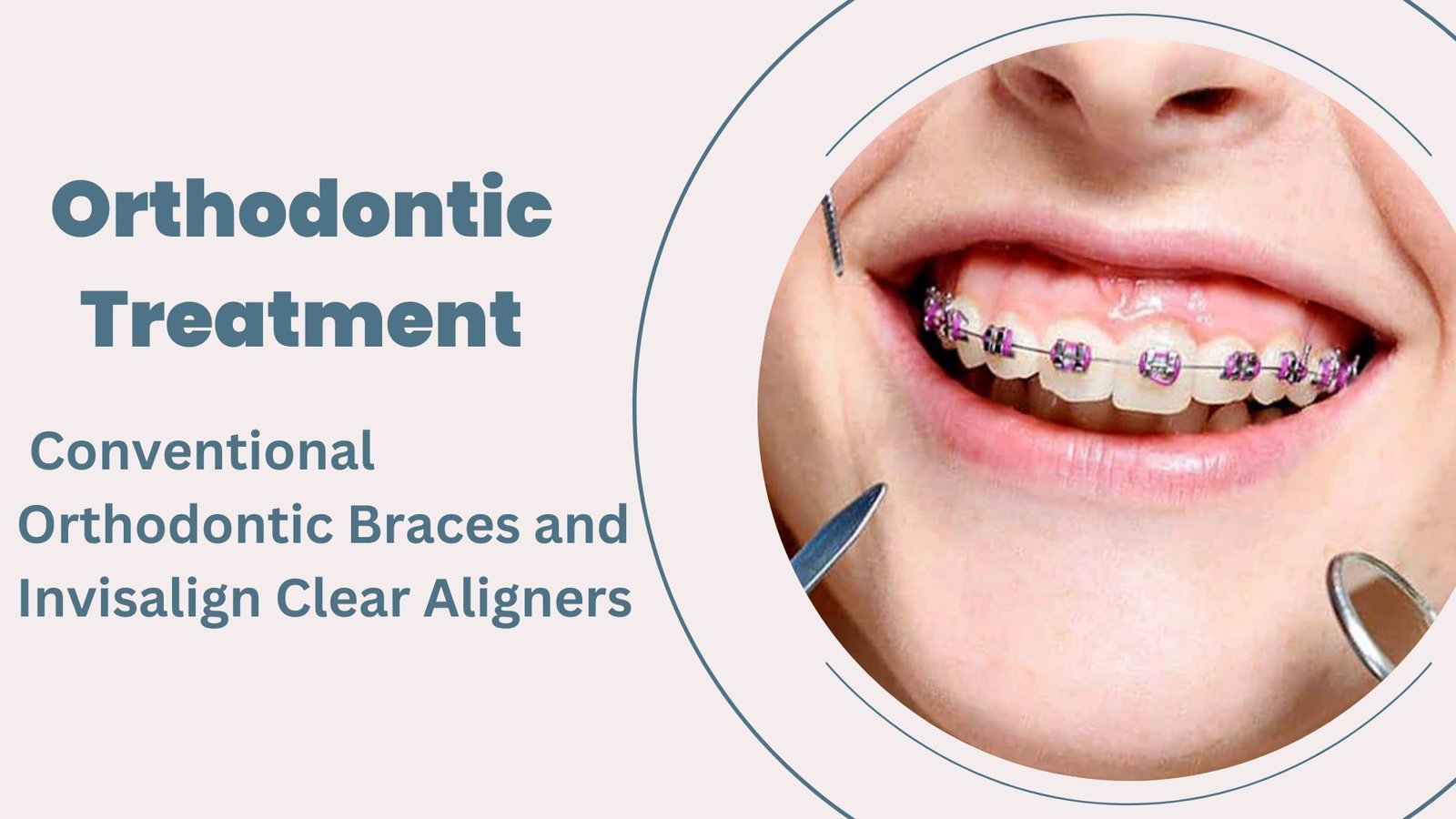
Aligners vs. Traditional Braces

Aligners are clear, removable trays, while braces use metal wires and brackets. Both straighten teeth but differ in appearance and maintenance.

  • Clear & Invisible vs. Visible Metal
  • Removable vs. Fixed
  • Easy Cleaning vs. Difficult Brushing
  • Fewer Clinic Visits
  • Suitable for Mild to Moderate Cases

Who Should Consider Aligners ?

Aligners are ideal for individuals with mild to moderate crowding, gaps, or bite issues who seek a discreet orthodontic solution.

  • Mild to Moderate Misalignment
  • Gaps or Crowded Teeth
  • Teenagers & Adults
  • Better Decision Making
  • Willing to Follow Instructions
Aligners are great for comfort and appearance but may not be ideal for severe corrections. Braces are stronger for complex cases.
Treatment typically lasts 6–18 months depending on the case severity and patient compliance.
There may be mild discomfort initially as teeth start moving, but it’s far less painful than traditional braces.